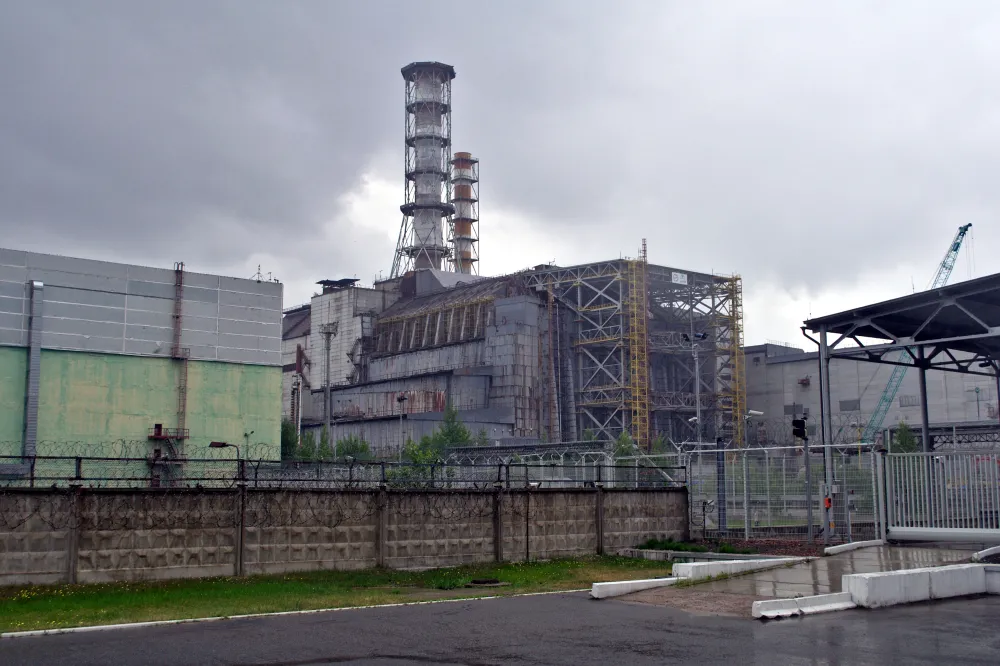
Chernobyl Disaster
A rigid hierarchy and suppression of dissenting voices contributed to flawed decision-making during a critical test scenario.

Red Castle, in collaboration with faculty from the University of Tennessee’s Haslam College of Business, is launching the Psychological Safety Index (PSI) study this fall. The study will assess workforce mindset and organizational resilience across participating organizations, providing government and industry leaders with data-driven insight into the relationship between psychological safety and physical safety performance.


We're seeing growing demand from employers in high-risk, high-consequence industries—including energy, utilities, aviation, aerospace, manufacturing, transportation, and other safety-critical environments—where physical safety is non-negotiable and employee well-being directly impacts operational performance.
Workforce fatigue, chronic stress, burnout, and psychological distress are not simply wellness concerns—they are business and safety risks that can contribute to errors, incidents, reduced productivity, and increased turnover. In environments where a lapse in judgment can have significant consequences, employees must be mentally fit and resilient to perform at their best.
Overloaded is a proprietary metric created, owned, and licensed by Red Castle Human Capital, designed to quantify negative workforce sentiment and translate it into actionable organizational insight.
The metric captures five key emotional states employees may experience in the workplace—worried, stressed, frustrated, burned out, and overwhelmed. An employee is classified as Overloaded when they report experiencing three or more of these sentiments at elevated frequency over a sustained period, reflecting a meaningful shift from normal workplace strain to a state of compounded psychological burden.
Across multiple client organizations, the Overloaded metric has consistently functioned as a risk flag—correlating with onboarding outcomes, turnover rates, and individual performance metrics.
Red Castle’s methodology positions workforce sentiment—and specifically the Overloaded condition—as a measurable precursor to degradation in psychological safety.
Psychological safety—the shared belief that individuals can speak up, raise concerns, and admit mistakes without fear of reprisal—is a foundational element of effective safety culture in high-risk settings. Post-incident analyses of major industrial and aerospace failures consistently point to suppressed dissent and communication breakdowns as contributing factors.
A rigid hierarchy and suppression of dissenting voices contributed to flawed decision-making during a critical test scenario.
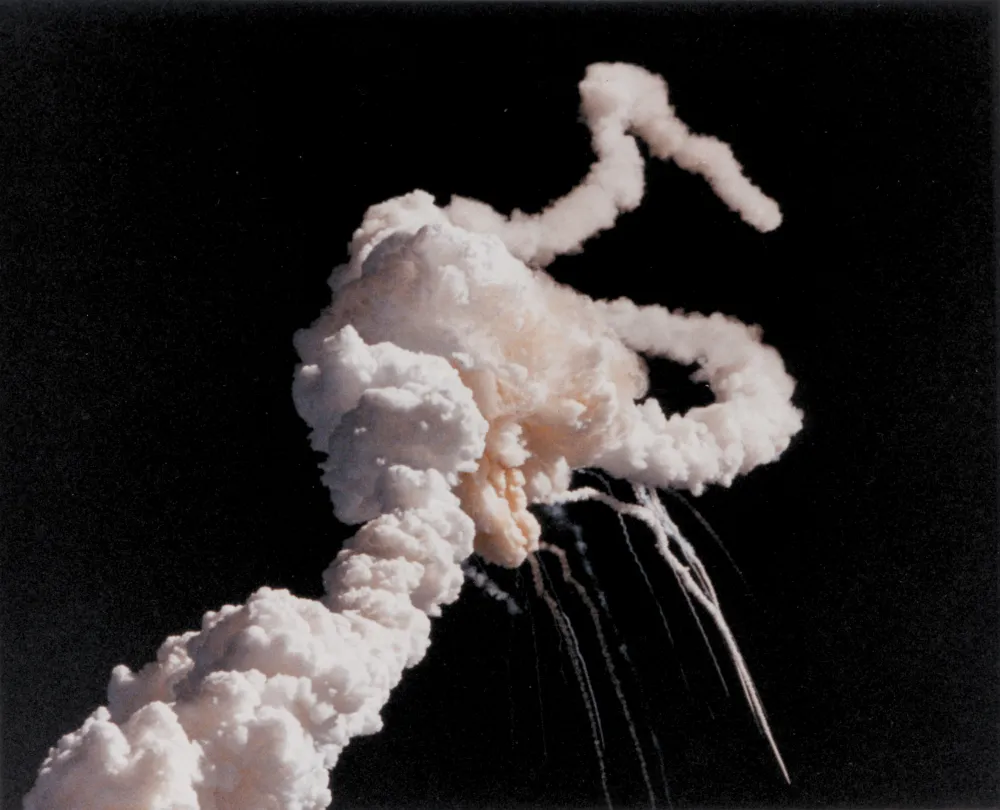
Engineers raised concerns regarding O-ring performance, but these concerns were not effectively escalated or acted upon.
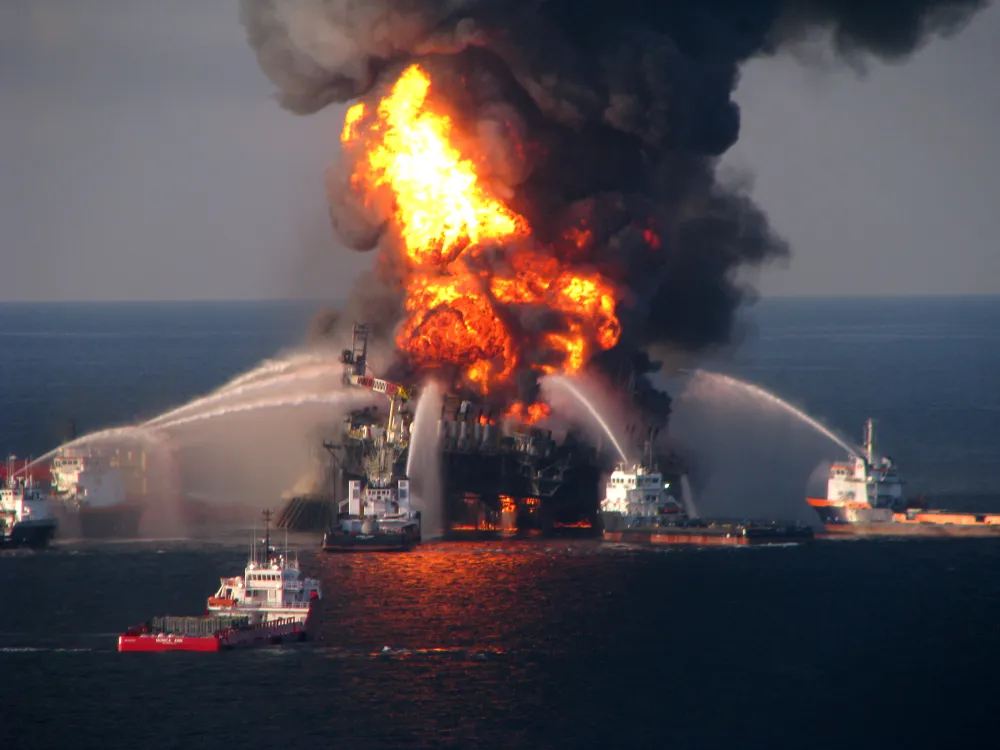
Operational pressures and normalization of risk contributed to the dismissal of warning signs prior to the incident.
Photos: NASA; U.S. Coast Guard; Paweł “pbm” Szubert / Wikimedia Commons (CC BY-SA 3.0)
Share a bit about your organization below. Someone from Red Castle will follow up personally, and you’ll get instant access to our full whitepaper, “The Overloaded Metric as a Leading Indicator of Safety Risk in High-Reliability Environments.”
Let’s map your priorities and identify practical next steps for your organization.